Fence Cleaning: Should You Clean, Brighten, or Stain Next?
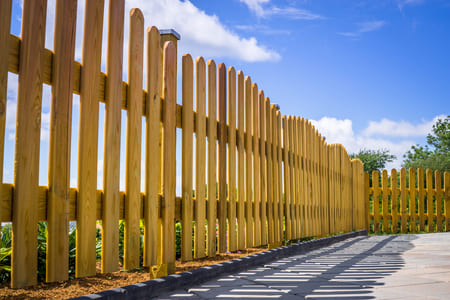
Sun, dust, and surprise showers are a tough combo for fences in San Antonio, TX. If your fence looks gray, streaked, or blotchy, you might be wondering whether to start with cleaning, jump straight to brightening, or go for stain and sealer. The short answer is that order matters, and getting it right protects your fence and makes the finish last longer.
Here's how the process works when you hire a pro, why wood and vinyl need different care, and how San Antonio's weather should shape your plan. If you're ready to refresh curb appeal, our team can schedule professional fence cleaning that sets you up for a smooth, even finish.
Clean, Brighten, or Stain: What Each Step Does
Cleaning Removes What Keeps Finishes From Sticking
Cleaning is the foundation. A trained technician uses the right detergents and a controlled rinse to remove mildew, algae, pollen, and oily grime that block stain from soaking in. Never allow uncontrolled high pressure on wood boards, because it scars the grain and shortens the fence's life. A proper wash leaves the surface free of residue without fuzzing the wood fibers.
Brightening Restores Color and Balances Wood pH
Brightening is a post-clean step for wood, not vinyl. It uses a specialized solution to bring back the natural tone and to neutralize cleaners so stain bonds evenly. You'll notice gray boards look warmer and more consistent. Brightening also helps reduce blotches that show up when the stain hits areas with mixed weathering.
Staining and Sealing Locks In Protection
Stain and sealer shield your fence from UV, moisture, and daily wear. Once the wood is clean, brightened, and properly dry, the finish can soak in and cure the way it should. Drying time between steps varies by weather and wood species, which is why a local pro times projects to fit San Antonio's heat and humidity patterns.
Quick local insight: Summer UV in San Antonio is intense, so unprotected boards can fade fast. Plan your cleaning and brightening before applying stain, and you'll extend the life of that rich color through the hottest months.
Wood vs. Vinyl Fences
Wood and vinyl look similar from the street, but they respond very differently to cleaning and finishing.
- Wood: Needs a gentle wash, brightening to restore color and balance pH, then stain and sealer for UV and water resistance.
- Vinyl: Needs a targeted wash to remove algae, dust, and road film. No brightening or staining is applied to vinyl.
Applying stain to a fence that isn't fully clean or properly prepped often leads to uneven color and early peeling. That's why pros treat wood and vinyl with different methods and products.
How Pros Decide the Right Order for Your Fence
Every fence tells a story. Before touching a board, a professional evaluates the surface so the steps happen in the right sequence.
- Finish history: Has the fence been stained before, and how is it wearing?
- Biological growth: Are there green streaks, black mildew spots, or gray sun damage?
- Material and age: Cedar, pine, or composite-each reacts differently to cleaners and sun.
- Exposure: Full sun in Alamo Ranch or shade near the Greenway creates different needs.
- Moisture: Wood must be dry enough before staining. Pros check by feel and with experience-based testing.
Based on this checkup, your tech will map the order: clean, then brighten for wood, then stain after proper dry time. Vinyl stops at clean.
Prep Before Staining: What a Pro Handles for You
Stain only looks as good as the prep. A pro team handles the details that make a finish last.
They remove embedded grime with a detergent designed for the material, rinse at the right pressure and distance, and clear lingering residue from posts, rails, and gate hardware. Any brightener is applied evenly, so color comes back across the whole run, not just the sunniest side. Finally, the crew schedules the return for stain when the weather window looks favorable, and the wood has had time to dry.
This approach helps the stain penetrate, reduces lap marks, and improves durability through hot summers and surprise showers.
Seasonal Timing
Local weather patterns shape your plan. Spring and fall are popular because temperatures are moderate. Summer projects succeed too with careful timing and product choice that holds up under strong sun. After long dry spells, dust can cake on fence boards-cleaning first prevents that dust from getting trapped under a new finish.
If you're planning a backyard get-together or listing your home, schedule cleaning and brightening early so the stain can go on in the best weather window.
Signs You Should Clean, Brighten, or Stain Next
Not sure which step comes next? Look for these common signs.
- If boards feel slick or look green or blotchy, cleaning is your next move.
- If cleaned wood still looks dull or uneven, brightening brings the natural tone back.
- If water no longer beads on the surface or the color is faded, it's time to stain and seal.
Following this order lets each step do its job, so the finish looks even and lasts longer.
Why Order Matters for Wood Fences
Think of your fence like a sponge. Dirt, oils, and mildew block the pores, so the stain can't soak in evenly. Cleaning clears the pores. Brightening then normalizes the surface, so the stain lays down consistent color. Skipping steps often causes blotches or premature wear. Taking shortcuts might look fine on day one, but the problems show up quickly under our strong Texas sun.
What About Color Choices and Sheen?
Once the fence is cleaned and brightened, color choices open up. Transparent or semi-transparent finishes show more wood character. Solid-color options hide more imperfections. A professional will recommend finishes that resist UV and fit your style, while considering how much sun your yard gets throughout the year.
Care for Vinyl Fences After Cleaning
Vinyl can't be stained, so maintenance is about keeping the surface free of buildup. After a professional wash, most homeowners find that rain and the occasional rinse keep it looking fresh. If your property backs up to a busy road or a dusty area, schedule cleanings at regular intervals to stay ahead of film and algae.
Protecting Nearby Landscaping and Surfaces
Good fence care respects everything around it. Crews shield plants, test products on small areas, and control runoff. Gates, latches, and concrete are protected, so you get a clean fence without collateral mess. It's a small step that prevents big headaches later.
When Cleaning Alone Is Enough
Sometimes you don't need the full sequence. Newer fences that still shed water and have only light discoloration may just need a professional cleaning to restore a uniform look. Your technician will confirm whether brightening and staining are worth doing now or better timed for a future visit.
Why Choose Bright Choice for Fence Care
We focus on the right process for your material and the realities of San Antonio's weather. That means a careful, clean, targeted brightening for wood, and stain applied when conditions support a long-lasting finish. If you're comparing options or planning other exterior work, start with a trusted local pressure washing company that understands our climate and neighborhoods.
If your fence is graying, streaked, or blotchy, we can help you decide the smartest next step. From wood to vinyl, our approach protects your investment and boosts curb appeal throughout the year.
Ready to revive your fence the right way? Book your fence cleaning and brightening with Bright Choice today. Call 210-706-0075 for fast scheduling.
Restore Your San Antonio Home's Curb Appeal with Professional Pressure Washing